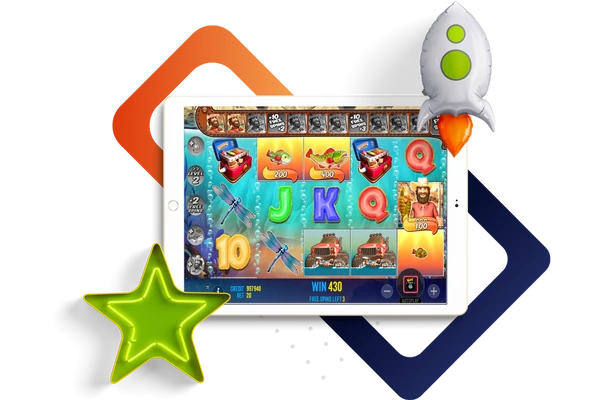
Anyone who’s spent an afternoon hunting virtual fish knows there’s a curious tension at the core of slots like Big Bass Splash https://big-bass-splash1000.com/. On one hand, it’s a pure game of chance, controlled by a Random Number Generator (RNG) that dictates your fate. Conversely, every click of the ‘spin’ button is a conscious choice. That tension between the game’s immutable mechanics and the player’s own decisions is what makes it so engaging for UK audiences.
Understanding the Machinery of Fate: The RNG
Firstly, we need to embrace the function of destiny. The heart of any online slot is its RNG, a sophisticated algorithm generating number sequences without pause. When you hit spin, the RNG captures of one sequence, and that particular frame dictates just where the reels will settle. The result is fixed a split-second before the reels even start turning. You can’t detect a pattern, you are unable to force a win, and you can’t tweak this digital draw. In the most exacting sense, all win and loss is pre-determined by cold math the moment you make your move.
UK Gambling Commission regulations enforce and verify this system to guarantee fairness. The game’s Return to Player (RTP) percentage, like the 96.71% figure you often see for Big Bass Splash, is a ongoing statistical average over millions of spins. For my own session, though, the RNG is a black box. It represents the limit of my control, a constant reminder that I’m playing within a system of programmed randomness. Getting comfortable with that fact is step one for gambling responsibly.
Practical Implications for UK Players
For UK players, this is not abstract philosophy. It shapes how we should engage with the game. Embracing fate means treating a loss as part of the random process, not a judgment on me. It keeps me from chasing losses, because I understand the next spin is a fresh event, independent by what came before. This perspective, supported by the UK’s focus on safer gambling tools, is a vital form of personal safeguarding.
On the flip side, responsibly using my free will is my main responsibility. That means establishing deposit limits, using session reminders, and determining ahead of time what a good win or a tolerable loss looks like. My most powerful act of will is opting to stop. When I view the game as paid entertainment, not a duel of wits against the machine, I can appreciate the thrill of the “catch” while respecting the unchangeable RNG fate beneath it all.
The Arena of Free Will: Player Options and Tactics
If the spin itself is random, where does my freedom live? It thrives in everything that happens around that spin. My agency starts with the resolve to play. I pick my stake level, deciding whether to activate the Fisherman Pick feature or remain with the base game. I decide if I want to purchase the bonus round for a fixed price, exchanging uncertainty for guaranteed entry. Most importantly, I control the speed of play, my budget, and the moment I cash out. These choices aren’t minor; they shape my entire experience and its cost.
The free spins round in Big Bass Splash is where my sense of control climaxes. Here, I’m not just a onlooker. I’m actively “catching” fish to reveal cash prizes and multipliers. While the symbols that appear are still fated, the act of picking them feels deliberate. I make little tactical calls: do I go for the glimmering golden fish that might hold a big prize, or play it safe for a multiplier? This interactive layer creates a convincing illusion of skill inside the game’s fated structure.
Where Illusion and Reality Collide
The clever part of a slot like Big Bass Splash is how it smudges these lines. The cheerful sound effects, the visual thrill of a big catch, the interactive bonus round—they’re all designed to make me feel like a skilled fisherman. This is the psychological conflict where my illusion of control battles the RNG’s actuality. I might fool myself into thinking my “approach” is succeeding, or that I’m “entitled” to a win after a cold run. These are just cognitive traps, the classic gambler’s fallacy. The game’s design is masterful at cultivating this feeling of personal control.
This clash is clearest in features like the Fisherman Pick. Selecting a fisherman to reveal a prize feels like a test of my gut instinct. Did I make the right choice? Was it destiny or a fortunate guess? The truth is the prizes were already assigned by the RNG the second the feature started. My choice was just the curtain going up, not the show being written. Seeing that difference is essential for keeping a level head about the game and my part in it.
The Angler’s Outlook: A Measured Approach
After many hours with the game, I’ve arrived at a personal outlook that harmonizes both forces. I see the RNG as the lake—a huge, unpredictable environment with its own secret rules. My free will is my tackle box, my chosen fishing spot, and my call on when to pack up. I can use sharper hooks (smart stake choices) and find a good location (using the features), but I cannot command what swims by. Some days the lake is generous. Some days it’s calm.
This picture helps me enjoy Big Bass Splash for what it truly is: a well-made simulation of fishing luck. The fun springs from the suspense between my actions and the unknown result. By respecting both the absolute randomness of the outcome and the weight of my own responsible choices, I can participate in a way that’s enjoyable, managed, and even a little thought-provoking. The debate isn’t about picking a winner. It’s about keeping both ideas in your head at once.
FAQ
Can the outcome of a Big Bass Splash spin really random?
Indeed. A approved Random Number Generator (RNG) sets each spin result the moment you hit the button. Third-party bodies audit this, and the UK Gambling Commission controls it to guarantee total fairness. Earlier spins have no impact on future ones, turning every outcome a independent event governed by chance.
Since it’s all random, can I use any strategy to win?
No strategy can influence the RNG or ensure a win. You can, however, employ money management tactics. Define a budget, select your stake size wisely, and utilize features like the bonus buy with deliberation. Your plan should center on controlling your bankroll and session time, not on trying to outsmart the game’s results.
What does the Fisherman Pick feature entail?
Hit three scatter symbols to activate the Fisherman Pick bonus. You’ll spot several fishermen on screen and have the chance to pick one to show your prize, usually a set number of free spins. It seems like a choice, but the prize (like 10, 15, or 20 free spins) was previously set by the RNG when the feature started.
In what way does the free spins round function differently?
In the free spins round, special fish symbols holding cash values or multipliers land. You then get to “catch” one by picking it to reveal your prize. This adds a hands-on step where your pick uncovers the win, though the possible values were nevertheless randomly allocated when the round began.
Applies the “Gambler’s Fallacy” apply to this slot?
It absolutely does. The fallacy is the idea that past random events affect future ones. Thinking you’re “due” a win after a string of losses, or that a hot streak has to end, is a error in thinking. Every spin on Big Bass Splash stands alone. The RNG doesn’t remember, so your odds on the next spin never change, no matter what happened before.
What is the most important option I have as a player?
Your biggest act of free will is deciding when to quit. Using the tools UK operators must provide—deposit limits, loss limits, session reminders—lets you take charge. Deciding ahead of time what counts as a success or a reasonable stopping point, and then sticking to it, is the most powerful decision in your arsenal.
Is buying the bonus round a good use of free will?
Buying the bonus (where available) is a straight deal: you pay a fixed amount for instant access to the free spins feature. You swap the uncertainty of triggering it for the certainty of entering it, but not for the certainty of a result. It can be a sound choice if you enjoy feature play and have planned for the cost, but remember the outcomes inside the bonus remain random.